News & Press
2,000 Years of Wellness: How Ancient Romans Shaped Modern Spa Culture
May 30, 2026
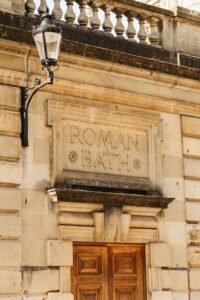
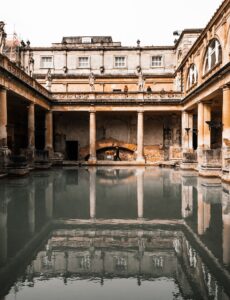
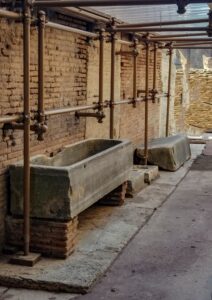
From social hubs to holistic health, the blueprint for modern wellness was drafted over two millennia ago.
When we think of a modern wellness retreat, we picture peaceful spaces, temperature-regulated pools, and holistic health treatments. While these feel like cutting-edge trends, the foundational blueprint was actually laid down over 2,000 years ago by the ancient Romans.
Throughout the expansive Roman Empire, natural thermal springs were not just appreciated—they were transformed into structural masterpieces of engineering and culture. Today, the Roman Thermal Spas of Europe network bridges that ancient heritage with modern health tourism, celebrating destinations that have kept these original waters flowing for millennia.
The Original Philosophy: Sanitas per Aquam
The Romans deeply believed in the concept of Sanitas per Aquam (health through water), recognizing that natural mineral springs possessed healing properties for both physical ailments and mental fatigue.
Rather than treating bathing as a quick, private chore, they built massive public complexes called thermae. These spaces were the ultimate architectural wonders of their time, featuring a sophisticated sequence of heated rooms designed to detoxify the body:
-
The Tepidarium: A pleasantly warm room to ease the body into the heat.
-
The Caldarium: A hot, steamy room featuring mineral-rich hot pools.
-
The Frigidarium: A cold plunge pool designed to close the pores and invigorate the circulation.
This exact thermal cycle remains a staple of high-end hydrotherapy and spa circuits across the globe today.
More Than a Bath: The Center of Social Life
What truly set Roman spa culture apart was its inclusivity. The thermae were bustling social hubs where citizens of all social statuses—from emperors to common workers—came to mingle.
They weren’t just places to bathe; they were all-in-one lifestyle centers. A typical day at a Roman spa included exercising in the courtyards (palaestrae), receiving massages with therapeutic oils, reading in built-in libraries, and debating politics. It was a holistic approach to life that perfectly mirrors today’s “wellness lifestyle” movement, which blends physical fitness, mental relaxation, and community connection.
Preserving a Living Legacy
As the Roman Empire expanded, so did their spa culture. From the hot gates of Europe to the edges of the Mediterranean, wherever Romans found natural thermal springs, they built a sanctuary.
Today, destinations within our network—stretching across countries like Germany, Portugal, Hungary, Bulgaria, and Serbia—allow travelers to literally step back in time. Visitors can bathe in the very same mineral-rich waters that Roman legionnaires used for recovery, surrounded by preserved ancient ruins and cutting-edge medical spa facilities.
By marrying a 2,000-year-old tradition with modern medical wellness, these destinations prove that while empires fall, the human need for relaxation, rejuvenation, and natural healing remains entirely unchanged.
Did You Know?
The concept of a modern “spa resort” mirrors the ancient Roman Aquae towns—entire settlements built exclusively around the local hot springs to accommodate travelers seeking the therapeutic benefits of the waters.